Chemical Modification Of Proteins Ppt - PPT - Post-Translational Modification 1. Dealing with the ... : In other cases such chemical alterations have changed.. 29 proteins proteins contain carbon, hydrogen, oxygen and nitrogen as the major components while sulphur and phosphorous are proteins : Chemical modifications involving protein active center identification are the subject of a review by pfleiderer (1). Protein phosphatase also catalyses transfer of phosphate from one protein to another. • proteins can be purified from cell or tissue samples • samples are homogenized and fractionated by. Protein chemical modification on endogenous amino acids— presentation transcript 7 figure 6 main applications of protein covalent modification chemistry & biology , doi:
It is also the most versatile organic molecule of the living systems and occur in. Proteins are synthesized by ribosomes translating mrna into polypeptide chains, which may then undergo ptm to form the mature protein product. They regulate activity, localization and interaction with other cellular molecules such as proteins, nucleic acids, lipids and cofactors. Protein structure applications • crosslinking • chemical footprinting • motivation: Generally have high molecular weights.
Chemical modification of proteins is a rapidly expanding area in chemical biology.
They regulate activity, localization and interaction with other cellular molecules such as proteins, nucleic acids, lipids and cofactors. Protein structure applications • crosslinking • chemical footprinting • motivation: • proteins can be purified from cell or tissue samples • samples are homogenized and fractionated by. Search chemical reactions in rhea for this molecule. Here we show that nerve terminal proteins contain another abundant. Protein phosphatase also catalyses transfer of phosphate from one protein to another. 29 proteins proteins contain carbon, hydrogen, oxygen and nitrogen as the major components while sulphur and phosphorous are proteins : A protein may consist of a single polypeptide or multiple polypeptide subunits. 31 structure of proteins proteins have different. Enzymes may modify protein structure via the introduction of a new chemical group to specific amino acids in the molecule. Cysteine, with its unique reactivity, has long been. Ndsu virtual cell animations project animation 'protein modification (golgi)'. In fact, an increase in structural and biophysical diversity of proteins has been observed by covalent modifications of ptm, thus enhancing the genome information.
• proteins can be purified from cell or tissue samples • samples are homogenized and fractionated by. It is also the most versatile organic molecule of the living systems and occur in. Once a polypeptide has been translated, it usually undergoes additional chemical changes, called posttranslation modification. A wide variety of chemical protein modification methods have been developed and can be categorized into three classes: Chemical modification of proteins is important for creating a myriad of engineered proteins and for elucidating the function and dynamics of proteins in live cells.
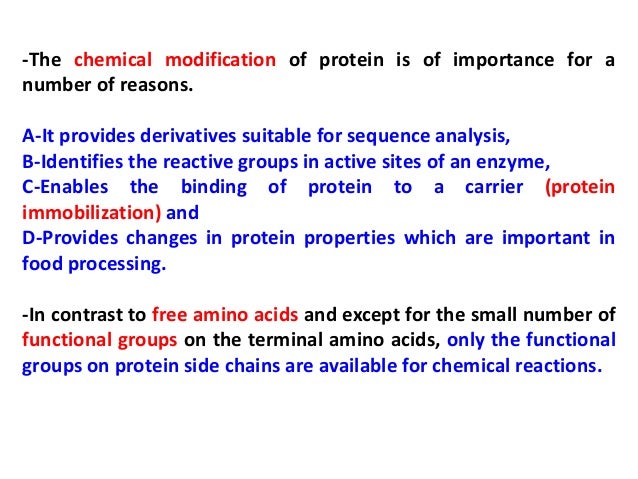
Protein Chemical Modification Inside Living Cells Using ... from media.springernature.com Generally have high molecular weights. Savesave modification of proteins.ppt for later. It is estimated that the human proteome consists of ~300,000 different proteins, or about 10x more than the number of genes (!) slideshow 441828 by corinna. Here we show that nerve terminal proteins contain another abundant. Protein chemical modification on endogenous amino acids— presentation transcript 7 figure 6 main applications of protein covalent modification chemistry & biology , doi: 0 ratings0% found this document useful (0 votes). A protein may consist of a single polypeptide or multiple polypeptide subunits. Manipulation of proteins by chemical modification is a powerful way to decipher their function or harness that function for therapeutic purposes.
Key role in functional proteomics.
• proteins can be purified from cell or tissue samples • samples are homogenized and fractionated by. Protein structure, four levels of protein structure, primary structure of protein, secondary structure of protein, tertiary structure of proteins, quaternary structure of proteins, bonds involved in protein structures you can download the ppt by clicking on the download link below the preview… Protein chemical modification on endogenous amino acids— presentation transcript 7 figure 6 main applications of protein covalent modification chemistry & biology , doi: Enzymes may modify protein structure via the introduction of a new chemical group to specific amino acids in the molecule. Slowly and spontaneously at ph 7, water acts as a nucleophile. It is estimated that the human proteome consists of ~300,000 different proteins, or about 10x more than the number of genes (!) slideshow 441828 by corinna. In other cases such chemical alterations have changed. It is also the most versatile organic molecule of the living systems and occur in. Once a polypeptide has been translated, it usually undergoes additional chemical changes, called posttranslation modification. It is the chemical modification of protein after its translation. Here we show that nerve terminal proteins contain another abundant. Start studying chemical modifications of proteins. Antisense palmitoyl protein thioesterase 1 (ppt1) treatment inhibits ppt1 activity and increases cell death in palmitoyl protein thioesterase (ppt) localizes into synaptosomes and synaptic vesicles in.
A protein may consist of a single polypeptide or multiple polypeptide subunits. 31 structure of proteins proteins have different. Key role in functional proteomics. Once a polypeptide has been translated, it usually undergoes additional chemical changes, called posttranslation modification. Generally have high molecular weights.
Protein Modification - CD Bioparticles from www.cd-bioparticles.com Enzymes may modify protein structure via the introduction of a new chemical group to specific amino acids in the molecule. Chemical modification of proteins is important for creating a myriad of engineered proteins and for elucidating the function and dynamics of proteins in live cells. Modifications change the charge of the protein, and often cause a change in the protein's activity level. 31 structure of proteins proteins have different. Chemical substances, components, reactions, process design. A wide variety of chemical protein modification methods have been developed and can be categorized into three classes: • proteins can be purified from cell or tissue samples • samples are homogenized and fractionated by. They regulate activity, localization and interaction with other cellular molecules such as proteins, nucleic acids, lipids and cofactors.
0 ratings0% found this document useful (0 votes).
In other cases such chemical alterations have changed. Search chemical reactions in rhea for this molecule. Key role in functional proteomics. Manipulation of proteins by chemical modification is a powerful way to decipher their function or harness that function for therapeutic purposes. Chemical modifications involving protein active center identification are the subject of a review by pfleiderer (1). Protein structure, four levels of protein structure, primary structure of protein, secondary structure of protein, tertiary structure of proteins, quaternary structure of proteins, bonds involved in protein structures you can download the ppt by clicking on the download link below the preview… Once a mrna has been translated into protein, the processing doesn't stop there. Slowly and spontaneously at ph 7, water acts as a nucleophile. Enzymes may modify protein structure via the introduction of a new chemical group to specific amino acids in the molecule. Generally have high molecular weights. Proteins are the most abundant biological macromolecules, occurring in all cells. Protein phosphatase also catalyses transfer of phosphate from one protein to another. See the description of this molecule in chebi.